Blown Fuse: What It Means and What to Do
Blown a fuse and not sure what happens next? It's one of the more common calls we take.
Most of the time it's a straightforward fix. Call (02) 9054 3079 and we'll help you sort out what's going on before it becomes something bigger.
What a Blown Fuse Actually Means
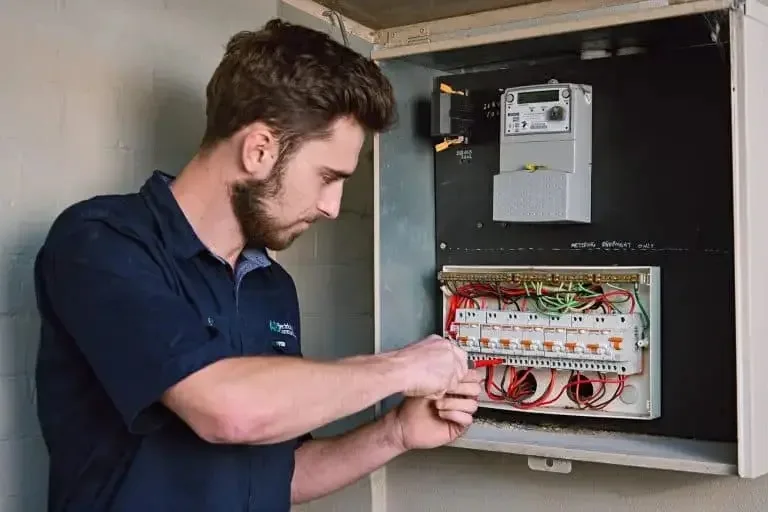
A fuse is built to be the weakest link on the circuit, designed to fail before your wiring does. Push more through it than it's rated to pass and the element melts on purpose, cutting power before the cable behind the wall ever gets hot.
That's the fuse doing its job, not failing at its job. The real question is why the current draw got that high in the first place, and that's where the actual fault usually sits.
Older homes here still run genuine fuse boards rather than modern circuit breakers, so a blown fuse means a physical component needs replacing, not just a switch flicked back on.
Is a Blown Fuse Dangerous?
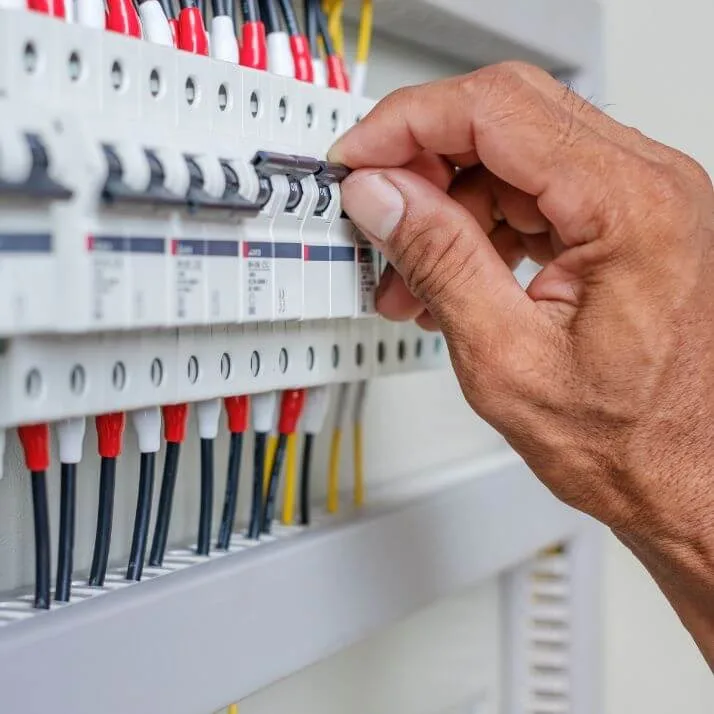
Most single blown fuses aren't dangerous. They're an inconvenience that gets fixed with a fuse replacement and, ideally, a look at why it happened.
It becomes more serious if you notice a burning smell, discolouration around the fuse holder, or a freshly fitted fuse fails within minutes of going in.
A fuse that goes again and again on the one circuit means something underneath needs attention, not another patch with fresh fuse wire.
Common Causes of a Blown Fuse
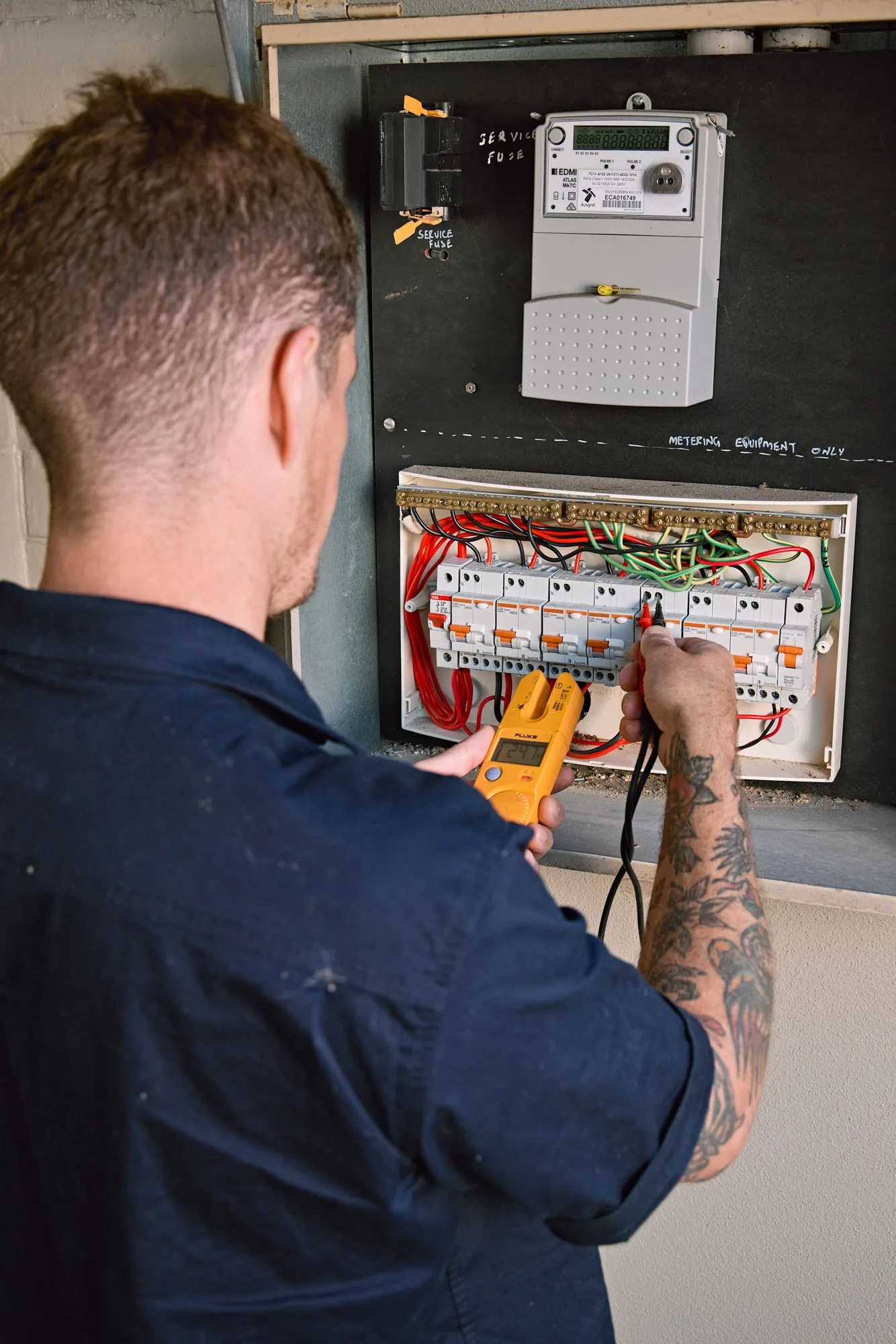
Nearly every blown fuse comes down to one of the following, and pinning the right one changes what actually needs fixing.
- One circuit asked to run too much at once, pushing draw past what the fuse can pass
- A faulty appliance with a short or a failing motor pulling well above its normal draw
- A wiring fault in the circuit itself, from age, damage or a poor original connection
- An undersized fuse for the load the circuit was ever going to carry
- General wear on old fuse wire or holders that fail earlier than they should
- Moisture getting into a circuit, especially an outdoor or garage point after rain
What To Do Right Now
- Unplug whatever was running when the fuse blew, in case it's the cause rather than the circuit.
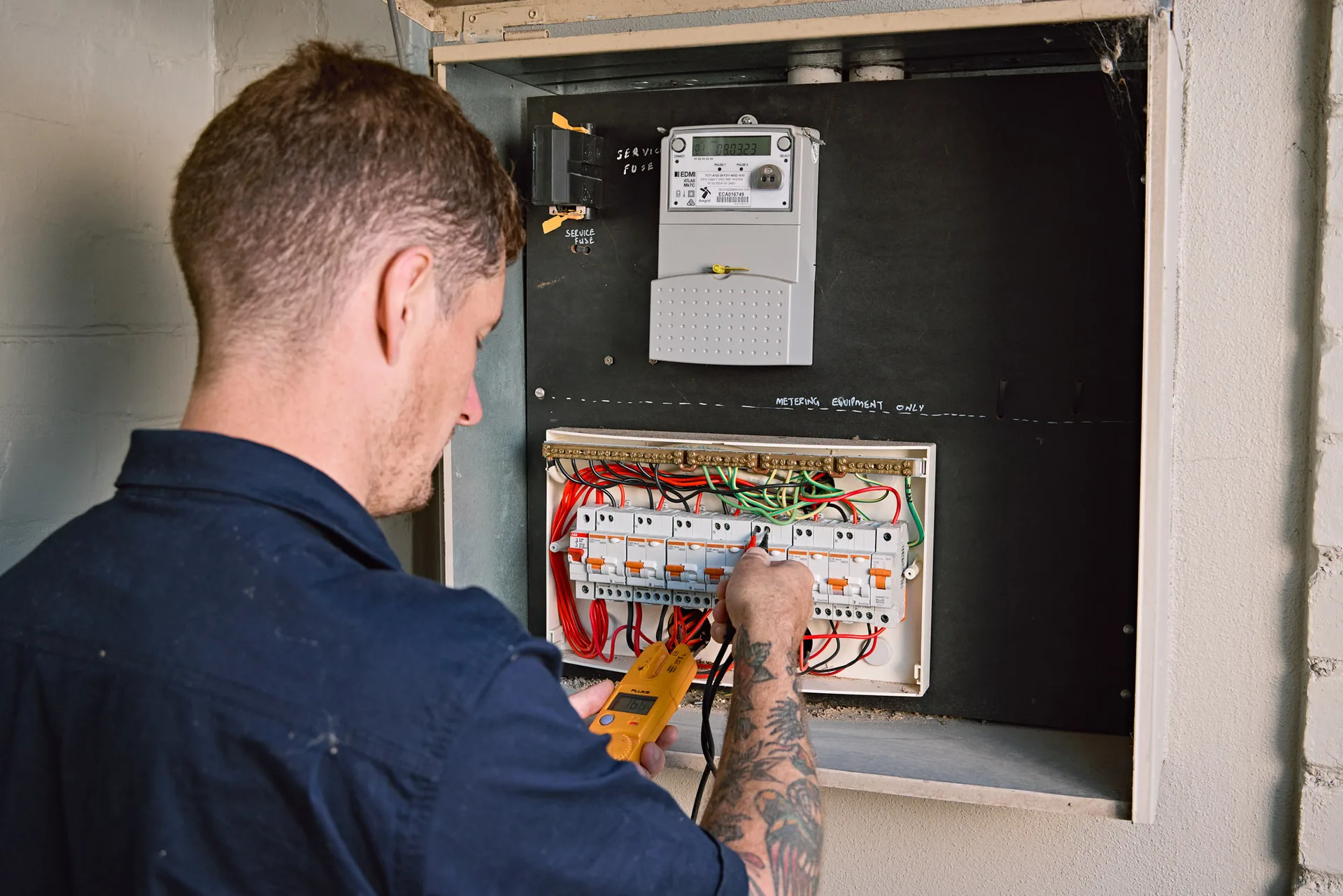
- Leave the fuse replacement to us. DIY electrical work is illegal in NSW, and a live board isn't something to guess at.
- Note which circuit it was and what was plugged in, so we can get straight to testing when we arrive.
- Call if it blows again after replacement, rather than fitting another fuse and hoping.
How We Fix It, Step by Step
We start by isolating the affected circuit and checking the fuse holder itself for damage or overheating, which tells us a lot before we even test further.
From there we test the wiring and whatever was plugged in at the time, separating an appliance fault from a genuine circuit problem. If the board's old enough that this keeps happening, we'll talk through a switchboard upgrade rather than just fitting fuse after fuse.
Any notifiable work gets a Certificate of Compliance once it's finished and tested.
Which Appliances Trigger This Most
Some household gear draws far more current at start-up than while it's running, and that spike is often what tips a fuse over the edge.
Heaters, kettles, toasters, hair dryers and older appliances with worn motors are the usual suspects, especially when two or three of them run on the same circuit at once.
Newer appliances aren't immune either. A faulty compressor or a failing element can draw well above normal without any outward sign something's wrong, until the fuse tells you.
The Myth That Won't Die
Fitting a bigger fuse to stop it blowing is the most common DIY move we hear about, and it's also the most dangerous one.
A fuse is rated to match what the wiring behind it can safely carry. Swap in a heavier fuse and the wiring can now overheat well before the fuse ever reacts, which defeats the entire purpose of having one.
If a fuse keeps blowing, the honest fix is finding out why, not raising the threshold until it stops complaining.
How to Stop It Happening Again
A fuse board that keeps blowing is usually asking for one of these fixes, not endless replacement fuses.
- Move some appliances onto a different circuit so one board slot isn't carrying the whole load
- Upgrade to a modern circuit-breaker board with safety switches instead of ceramic fuses
- Get a faulty appliance checked before it takes out the same circuit again
- Have loose or worn connections re-terminated properly rather than left to fail again
- Book a switchboard assessment if you're not sure how old the board actually is
Servicing Waitara and Nearby Suburbs
Older double-brick and Federation-era homes on Waitara's quieter streets are the ones most likely to still be running a genuine fuse board rather than modern breakers, which is exactly the setup where this fault shows up most.
We cover the surrounding suburbs too, including Hornsby, Wahroonga, Normanhurst, Asquith and Mount Colah, so wherever you're calling from nearby, a visit isn't a long way off.

Book an Electrician Today
Fuse keeps blowing, or not sure why it went in the first place? Call (02) 9054 3079.
We'll get it sorted properly, often same or next day.
Common questions
Your Blown Fuse FAQs
Is a blown fuse an emergency?
Usually not, if it's a single fuse that blew once and everything else in the house is working fine. It becomes urgent if you smell burning, see scorch marks, or a freshly replaced fuse goes again straight away.
Can I fix it myself?
No. Working on a switchboard isn't legal for anyone without an electrical licence in NSW, and a fuse that keeps blowing usually means there's a fault behind it worth finding properly.
Why does it only happen at night or when appliances run?
That pattern points to load. Running several things on the one circuit, especially heaters or appliances that draw a lot of current, is a common trigger for a fuse to give out.
Is it my appliance or my wiring?
It can be either. We test the circuit itself first, then the appliance that was running, to work out which side of the problem actually caused the fuse to go.
How do you find the fault?
We isolate the circuit, check the wiring and connections for damage, and test the load being drawn. That tells us whether it's a wiring issue, a bad connection, or simply too much running at once.
Will the repair come with a certificate?
Yes, for any notifiable work. You'll have a Certificate of Compliance on file showing what was done and that it meets the wiring standard.